Upgrade to LED lighting and enjoy brighter, energy-efficient benefits! Discover the advantages in our informative article.
The Benefits Of Upgrading To LED Lighting
Reply


Upgrade to LED lighting and enjoy brighter, energy-efficient benefits! Discover the advantages in our informative article.
Having electrical problems in your home is a common occurrence that can cause inconvenience and stress. Knowing how to identify, troubleshoot, and call someone to fix these common electrical problems can save you time, money, and aggravation.
Homeowners are often unaware of the potential electrical hazards in their homes. Read on for 8 electrical safety tips every homeowner should know!
Here at Live Oak Electrical we thought it would be interesting to look into some defining moments in the development of electricity and power.
On your hunt for the perfect house, you likely have an ongoing checklist of both must-have things and red flags. Often, that checklist includes aspects regarding appearance. However, before signing a contract you will want to add other essential checkmarks to your list.
Perhaps the most tragic thing about the 25,000+ home electrical fires across the U.S. each year is that the vast majority of them could have been prevented if the right…
If you’re in need of quality electrical services for your home or business, it’s important to work with a team that has experience and a ton of great reviews. To stay safe from the dangers of dealing with electricity, you should not work with anyone with sketchy experience or attempt to do it yourself, no matter how handy you are.
Keep your home safe from the risks of electrical issues by getting an expert to perform any upgrades and repairs you need to do right away. Working with a non-licensed handyman not only poses a risk to lives and property, but it could also void your insurance coverage and leave you open to risk.
Some of the reasons you may need to call us include:
If you experience any of the above issues, don’t hesitate to give us a call and we will advise you accordingly. Live Oak Electrical Services is ready to provide you with quality electrical services that will leave your home or business in the best possible state.
The post Hilton Head Electrician appeared first on Live Oak Electrical Services.
Do-it-yourselfers are always looking for a way to save money. However, when it comes to electrical work in the home, this usually isn’t the best idea.
Electrical wiring is tricky and complex, even if you’re an expert! This post discusses some of the risks that come along with DIY electrical work and why hiring a professional is often your best option.
The first risk of DIY electrical work is that you could cause a fire. There are many different types of wiring, and it can be hard to know what each type does or how to put them together. If done incorrectly, this may result in an electric shock or accidental fire at any time.
The second major risk of DIY electrical work is the fact that it might not be up to code with local regulations. Without a full understanding, your work might not meet code. This means there will likely need to be additional changes made after everything has been finished, which can cause more expenses for you as the homeowner! If you are making improvements to put your house on the market, you might face big costs to repair shoddy electrical work before the house can sell.
Another risk is that DIY electrical work could mess up the power supply for other people in your home. If you’re not careful with all the wires and connections, this could happen from just running an extension cord across too many rooms! It’s important to make sure everything is working properly before turning anything on so there aren’t any surprises later on down the line.
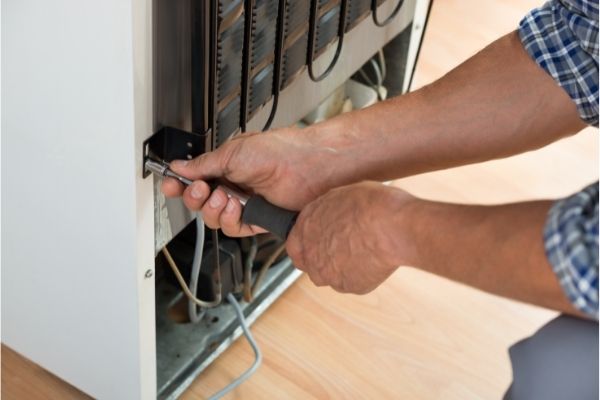
If you don’t know what the problem is, it’s hard to fix it! If there are sparks and smoke coming out of your outlets or they just stop working all together, a professional electrician will be able to diagnose the issue. And a professional will be able to make the repairs so that no one has any surprises down the line, like I mentioned before.
There are many reasons why you should let an expert handle electrical work at home instead of doing DIY electrical work. The risks can be high for things such as: safety hazards for yourself and others in your household; not following code with wiring changes; causing other people power supply problems in their homes.
Hiring a qualified professional also comes with its own benefits: they have experience doing home renovations and making sure things stay safe; their fees come bundled for all services (including permits); and they’re licensed and insured.
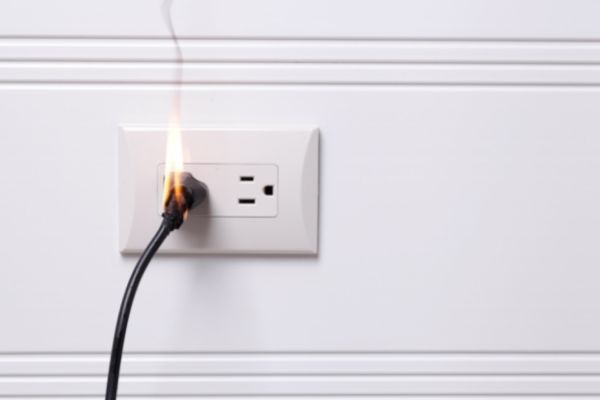
DIY projects can be super fun. You can search out amazing and different projects all over the internet. Paint your cabinets. Build a coffee table from some pallets. Put some faux wooden beams on your master bedroom ceiling. But we recommend leaving the electrical work to the professionals.
DIY electrical is not the place where you can afford to make a mistake.
Live Oak Electrical Service is a licensed electric company familiar with the potential hazards and dangers of Federal Pacific Electrical, Zinsco, fuse board, and other outdated panels. We are able to provide you with an in-home estimate to replace these hazardous panels. Call us at (843) 505-1167 today and have one of our professional electricians come take a look.
The post What Are The Risks of DIY Electrical Work? appeared first on Live Oak Electrical Services.
Owning a house comes with numerous responsibilities. One thing, in particular, is maintaining your safety and that of your family and your belongings. In your home, nothing is more dangerous than the electricity running through every wall. Any defect that involves electricity is a safety hazard, from a loose outlet cover to exposed wiring, and these issues need to be addressed by professionals.
The circuit breaker panel in your home is where all the electricity comes together. Different areas of the home are wired to individual circuit breakers. Their function is to cut off power to sections of the home in case of overload. If there is too much electricity in the system, the breaker trips and cuts power before the overload causes the wiring to heat up and possibly catch fire. This is very important to know, and it should go without saying that it’s very important to have a quality circuit breaker so your home doesn’t go up in flames.
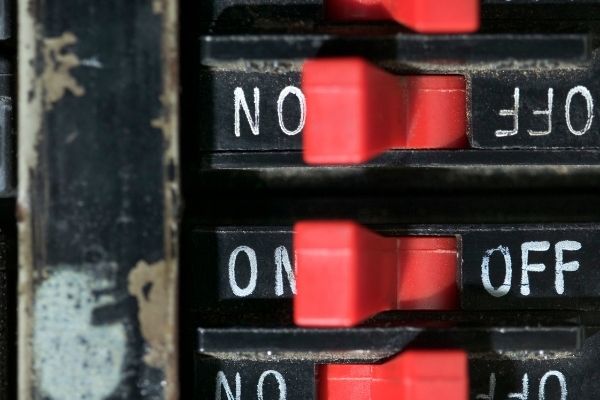
Circuit breakers are safety devices, plain and simple. They’re like having a life raft on a boat, they sit there unused until they’re needed. If the circuit breaker panel in your home is defective, you could be jeopardizing you and your family’s safety as well as the structure of your home.
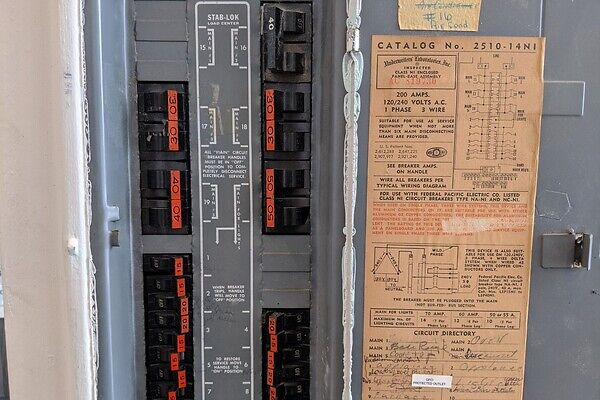
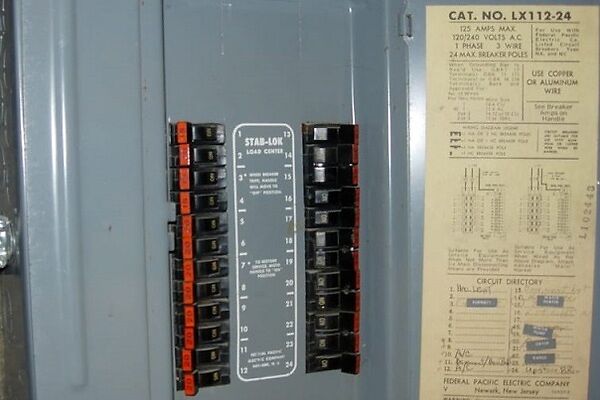
If you own a house that was built, or had the electrical system upgraded, between the 1950s and 1980s you run the chance of having a Federal Pacific breaker panel as part of your electrical system. Federal Pacific breaker panels were extremely popular and installed in millions of homes across the country, but sadly these panels pose a danger that should be dealt with promptly.
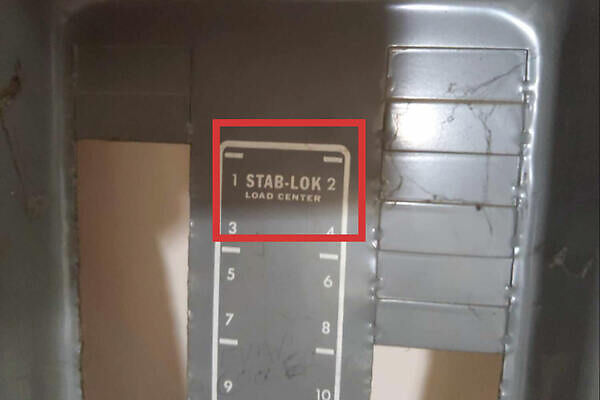
The style of Federal Pacific panels that used their Stab-Lok breakers were found to have a higher rate of failure over time than other panels. More and more house fires were traced back to a circuit breaker in the electric panel that failed to trip when an overload occurred. Federal Pacific panels and their circuit breakers were overwhelmingly the panels to blame.
The danger becomes clear when you see how many circuit breakers are inside a circuit breaker panel. It is estimated that Federal Pacific’s Stab-Lok breakers are responsible for over 2,800 house fires every year. These breakers actually cause the very thing they were created to prevent, an electrical fire.
A 1980s court case revealed that not only were the breakers failing to pass the Underwriter’s Laboratories (UL) guidelines, but that Federal Pacific committed fraud and cover-up regarding their testing. They labeled the breakers as meeting the UL standards when they clearly did not.
It was discovered that many of these Stab-Lok breakers did not disconnect when overloaded. In the 1980s, the US Consumer Product Safety Commission (CPSC) investigated the performance of the circuit breakers. CPSC performed its own laboratory tests on samples of Federal Pacific Electric Stab-Lok single-pole and double pole-breakers. For these samples they found that 85% of the double-pole breakers and 39% of the single-pole breakers failed one or more of the UL test criteria. In some cases, the breakers failed to trip at ANY amount of current, which obviously poses a critical danger to occupants.
Here are the problems with these Federal Pacific electrical panels:
Breakers do not trip when there is an overcurrent, making for a real risk of fire.
Spring-mounted bus bars cause the bars to move around, and as a result, the breakers are too tight against the front cover of the panel. That is why it is difficult to remove a panel box cover and not trip a Federal breaker.
Breakers can be on when they are in a downward position. This makes for confusion. Is the breaker on or off? Does anyone really want to guess?
The Stab-Lok feature of the breakers makes for very poor connections between the breaker and the bus bar. This causes loose breakers and loose electrical connections.
The space for wire bending inside the Federal panel boxes is inadequate, and this often results in too many wire bends within the panel.
Throughout the 1970s, it was not uncommon to have a Zinsco or DTE-Sylvania electric panel installed in homes. The Zinsco brand is no longer in existence, but many homes still have their originally installed Zinsco electrical panel.
What makes Zinsco panels so unsafe is that the circuit breakers inside the enclosure melt to the main bus bar, meaning the breaker no longer has the ability to even trip. That means, in the event of an overload or short circuit the power will remain on. A short or power surge could cause the wire to melt further and start a house fire. Look for the name Zinsco or rebranded Zinsco panels under the GTE Sylvania or Sylvania name on the panel. If you have one, have it inspected. You will most likely need to get it replaced.
A similar problem exists with GTE Corporation’s “Challenger” panel. Thousands and thousands of homes have these panels, especially structures built between 1970 and 1990.
Another problem is that other companies continued to manufacture Federal Pacific Electric-style Stab-Lok breakers, even after FPE no longer made them. The other manufacturers obtained the rights to the product and produced them under their own names. The defective devices stayed in production until around 1990.
Federal Pioneer is the Canadian brand name of the same Federal Pacific panels that were sold in the US. These panels are subject to the same failures as their Federal Pacific cousins, since they are simply the same design with a different name.
There is currently a recall in Canada for several Federal Pioneer circuit breakers and you might want to explore if you happen to have one of them.
Many homeowners do not know what kind of panels they have in their houses. Determining whether you have a FPE panel only takes a moment. Check your panel for the following information:
Some similar models and older FPE panels will not have any of these indicators. Also, sometimes a sticker goes missing. If you cannot determine the manufacturer, you may need to hire a professional to check if you have a potentially dangerous electrical panel. If you are certain that your home was built or had the electrical system replaced anywhere from 1950 to 1980, it will be worth your peace of mind to have a qualified electrician come check it out.
Never try to take apart your breaker or open the panel to look for information about who made your system. If you start investigating your panel, you could damage the wiring leading to a greater risk of fires, or you may even electrocute yourself.
According to safety experts, you do not need to panic if you have an FPE or another defective panel. While the situation is not an emergency, it is a safety concern, and you should address it sooner than later. Remember, just one failure on the part of the breaker will put you and your family at risk. While the system may work for many years, it can suddenly fail without any warning.
With all this negative evidence, you might be wondering how FPE panels continued to be manufactured. Electrical products need to pass certifications. The UL carried out the testing and approved the FPE panels. When Reliance Electric took over FPE in the late 1970s the company discovered that the Stab-Lok did not meet UL’s standards but FPE had found ways to trick the tests. The new owner sued the former owners and fired many of the officials who worked with FPE. FPE was found guilty of consumer fraud (as we mentioned earlier in this article) yet Reliance Electric never issued a recall, even though they stated the breakers contained a potential defect. So FPE gamed the UL tests, the panels had defects, but Reliance continued to manufacture the defective panels.
Then, the CPSC, after finding that many panels failed, closed down their investigation as it proved too costly. One of the investigators continued to warn about FPE risks, but the government dropped the ball by placing money before consumer safety.
The short answer is yes. These breakers have been responsible for too many fires and pose a real danger to you and your home. They should be prioritized for replacement if you find one of these anywhere in your house.
If you have an FPE, an electrician might suggest that you can save money by replacing just the breakers. It is possible to install aftermarket breakers into an existing system, however this is not the best option. The defects in the FPE systems involve not only the breakers but also the central unit. Additionally, a well-versed home inspector will identify the FPE panel as a hazard if you ever choose to put your house on the market.
Although most homeowners do not think about their circuit breakers, an inspector will identify a dangerous electrical panel as a problem when someone is purchasing a home. In fact, an FPE can impact insurance coverage as well.
Insurance companies will often deny homeowner insurance to individuals who have FPE panels in their homes. The denials are because insurers run the numbers and if something is too big a risk, they will not offer coverage. With so many FPE panels leading to fires, insurance companies tend to opt out of coverage for these homes because they believe there is a good chance that they may have to cover fire-related damage for that homeowner in the future.

The bottom line is that Federal Pacific breaker panels should be replaced. The risk from having circuit breakers in your home that don’t do their important job is too great. We rely on circuit breakers to prevent fires and overloads, it doesn’t make sense to keep your home and family at risk.
It’s possible that you may have an FPE that has performed admirably over the decades, but having a product from a company that knowingly cheated on their UL testing should not inspire confidence. Again, it simply isn’t worth the risk.
Defective panels are a significant problem, but even panels that experts consider safe can suffer degradation over time. It is vital to perform maintenance on these systems. Also, never leave a panel open, as this will create more risk of damage. Dust can get into the system, as can small animals. Experts recommend annual inspections of your panel.
The reality is if you have a Federal Pacific, Zinsco, or just an outdated panel in your home, your electric system cannot safely handle your household’s electrical needs. Today, most homes have multiple high definition televisions and computers on at the same time, cell phones charging, music playing, HVAC running, multiple refrigerators, and many other electrical pulls that were not even in existence when many of these older panels were installed. Many outdated panels are not able to handle the current electrical requirements of today’s busy homes.
Live Oak Electrical Service is a licensed electric company familiar with the potential hazards and dangers of Federal Pacific Electrical, Zinsco, fuse board, and other outdated panels. We are able to provide you with an in-home estimate to replace these hazardous panels. Call us at (843) 505-1167 today and have one of our professional electricians come take a look.
[contact-form-7]
The post The Dangers of Federal Pacific Electric Panels appeared first on Live Oak Electrical Services.
The short answer is: yes! But faulty wiring is only one possible answer to climbing electric bills in your home. Homeowners across the Lowcountry, Hilton Head, and Bluffton frequently ask us, “Can faulty wiring increase electric bills?” But the answer to the frustrating increase in electric bills could be several things. In order to pinpoint the problem, you need to have your home’s systems checked by a licensed residential electrician. So, yes, faulty wiring can increase your electric bill, but there may be one or more other things to investigate to lower your electric bills and keep your home and family safe.
In this article, we’ll discuss some common things that can increase your electric bills, including faulty wiring, and what we can do to fix those problems. Keep in mind that some of these problems aren’t just draining your budget, but they can also cause electrical safety hazards, so please contact Live Oak Electrical Services in Bluffton, Hilton Head, and the Lowcountry if you have any of these issues. Do not attempt to fix it yourself!
Since today’s question is, “Can faulty wiring increase electric bills?” let’s start there. Check if you have any of these signs of faulty wiring in your home. If you notice any of these signs of faulty wiring, contact us right away:
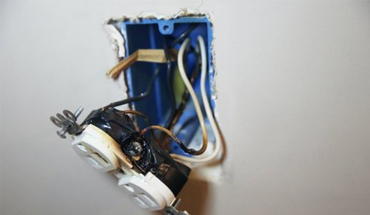
Your home’s HVAC system can be one of the biggest electricity draws, especially with faulty wiring. Although this isn’t common, it is an avenue your electrician should investigate if you notice your heating and cooling systems run excessively or at the same time.
Many of the grand old homes here on the coast are plagued with older wiring that isn’t sufficient to support modern electrical demands from all of our appliances and electronics. Every decade, a licensed residential electrician should thoroughly inspect your home to ensure wiring is up to code, safe, and efficient.
If your home hasn’t had an electrical inspection lately, contact us to schedule an appointment. We can find and identify problems, then make needed electrical upgrades to keep your electric bills down and your home safe.
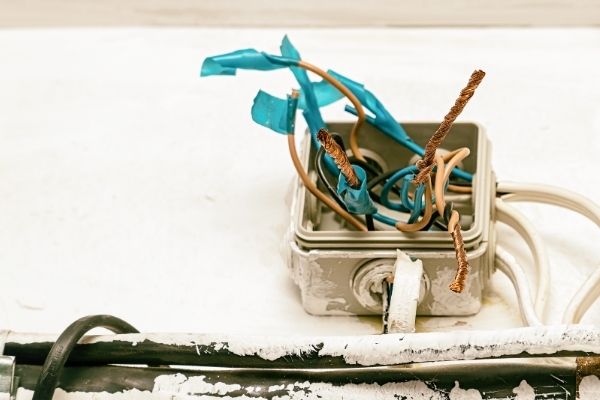
Although it rarely freezes and thaws here, it’s not unheard of. Our coastal areas can also be prone to flooding and other groundwater issues that can impact wiring. Sometimes animals chew on your wires too.
Older appliances draw more electricity than newer, more efficient ENERGY STAR appliances. Sometimes, the appliances themselves have faulty wiring and run too hot. Faulty appliance wiring can even cause electric shocks! Sometimes, an appliance just needs regular maintenance.
Washers, dryers, refrigerators, air conditioners, and other appliances should remain on a regular maintenance schedule to ensure that they function safely and efficiently. Furthermore, some appliances sneakily draw power even after you turn them off. Computers, printers and entertainment systems are classic examples. If you have them plugged into a power strip, simply switch off the power strip when not in use.
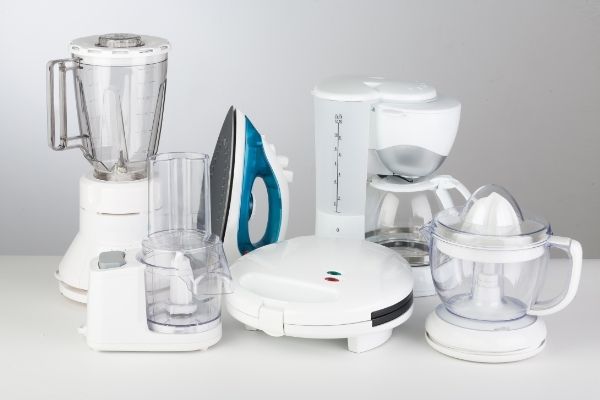
Make sure to have your HVAC systems cleaned and maintained regularly. Switch out filters and have the ductwork, wires, and cables checked too. Leaks in ducts and faulty wiring can definitely drain extra electricity here.
In summer, we use our air conditioners. In winter, you might pull out a space heater, or use the hot tub. And let’s not forget holiday lighting! Watch your energy bills for seasonal changes, and you may see other ways of cutting back.
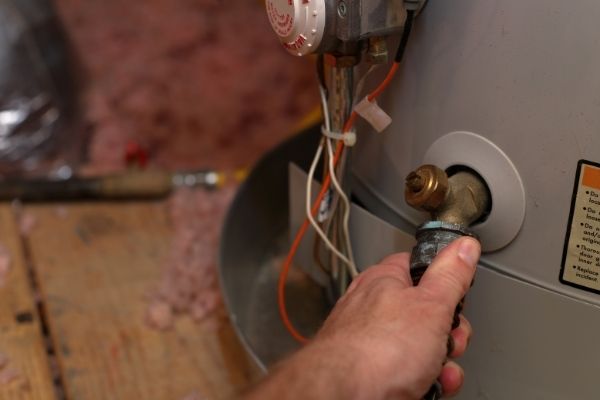
Hot water pipe leaks and water heater problems can make your water heater work overtime to maintain the level of hot water, which will drive your electric bills up. Make sure to follow your water heater’s maintenance schedule and check for leaks.
If you live in an older home, it may be time to update the insulation, weather stripping, windows and doors, and to check for drafts that can cause seasonal electric bill spikes. Your heater may have to work extra hard to keep it warm in the winter, and your AC will have to work harder to keep you cool in the summer, all of which drains too much electricity, even if your wiring is just fine.
Older circuit breakers can have troubles, so if you notice frequent shorts of fuses burning out, that could very well be the problem. To find out which circuit is causing trouble, you can turn off all the circuits and then switch one on at a time to see how fast the discs spin. The faster they spin, the more likely there’s a problem on that circuit.
Contact the licensed electricians Hilton Head, Bluffton, and Lowcountry homeowners trust for top-quality diagnosis and repair of home electrical problems. Live Oak Electrical Services can help you find out why, and make excellent repairs.
The post Can Faulty Wiring Make My Electric Bill Go Up? appeared first on Live Oak Electrical Services.